FREEPHONE 0800 083 7807

LSPS Ltd
61-70 Harrison Close ,
South Wigston ,
Leicester , LE18 4ZL
Email:
Showing posts with label plastic recycling. Show all posts

Recycling Mistakes You Might Be Making


Recycling mistakes you might be makingWith horrific amounts of plastic in our oceans and the dangers this entails, we are all becoming increasingly aware of our need to reduce plastic waste and recycle as much as we can. Many of us now have recycling initiatives at our place of work and increase our recycling at home. However, despite our best intentions, we may not be recycled correctly. Here are some common recycling mistakes you might be making.  

Thinking all plastic can be recycled 

Although a lot of plastic can be recycled, not all types can. Whilst some people place all their plastic in recycling and hope for the best, certain types cannot be recycled for various reasons. We should all be aware of these types so that we try and avoid buying items in this packaging, to begin with. For example, black and dark plastic is extremely difficult to recycle. The type of pigments used to form the dark colour makes it difficult for automated recycling materials to sort and identify. As there is no easy way to fix this, black plastic tends not to be recyclable.  

Certain plastic containers cannot be recycled either such as yoghurt pots or takeaway containers. This is often due to the mixture of materials used to make the packaging. Try and reuse your takeaway containers or avoid this type of plastic where possible.  

Not recycling aerosols or cleaning products 

In opposition to the previous point, sometimes people assume items are not recyclable and place them in their normal waste bin. For example, deodorant cans and aerosols are commonly thought not to be recyclable when in fact they are. Just ensure they are empty before you place in the recycling. The same goes for bleach and cleaning products. Many of us think because bleach and other cleaners are potentially toxic to the environment, the bottles will contaminate the recycling process. As long as the bottles are cleaned and emptied thoroughly, this shouldn’t be an issue.  

Recycling dirty items  

Although a lot of packaging can be recycled, it does depend on the quality of the material. It is important that the containers and packaging do not have any food stains or food left in them when you place them in the recycling bin. A common example is a takeaway pizza box. Although the box can be easily recycled because its made from cardboard if there are pizza grease stains on it, recycling cannot happen. The same goes for dirty tin cans or plastic containers. Just ensure your rubbish is in a clean enough state before you place it in the recycling bin. 

Placing recycling items in a plastic bag  

A lot of people place their recycling in a plastic bag before they take it outside to the main bin. Although this is convenient, it causes more harm than good. Empty the bags into the bin but don’t place the plastic bags in it as well. Although you can, of course, store them in a plastic bag to keep them organised in your home, the items should be loose in the main recycling bin. 

Recycling plastic bags  

This leads on from the previous point. Although plastic bags can be recycled, they are often not accepted by many councils. You should instead cut down on the amount of plastic bags you use. The ones you do have, make sure you keep reusing them to make them last the longest time possible.  

Recycling wet newspaper 

Although the newspaper can be recycled, the same is not true for wet newspaper. You cannot always predict the weather and the newspaper may accidentally become wet. However, if it does happen remove it from the recycling bin and place it in your compost bin instead. 

Not separating glass 

This mistake depends on your local recycling rules. In some areas of the country, people have a separate bin for their glass items. You must have a thorough understanding of which items go in which bin to maximise your recycling efforts 

Recycling Christmas lights and hoses 

Although made from plastic, Christmas lights and garden hoses can cause a problem. They can easily become tangled around other items and even equipment and machinery at recycling centres. This can cause serious, costly damage. 

Recycling scrap metal  

When tidying out their house, shed or garage, many people come across a lot of materials they no longer need, including bulkier items such as scrap metal. Although scrap metal can be recycled, these items should be placed in a skip or taken to a recycling centre, not just placed in your recycling bin at home. 

Recycling old clothing  

It is great to make use of old clothing rather than simply throwing it away and it ends up in landfill. However, clothing cannot be recycled. Instead, donate it by taking it to a local charity shop or charity collection bin that many supermarkets now have. 

Recycling bubble wrap  

Bubble wrap is often placed in the recycling bin because it is plastic. However, it shouldn’t be. Instead, reuse the bubble wrap for your next house move or see if anyone else needs it. 

Recycling crisp packets  

Crisp packets are often made from a mixture of materials and it is because of this that they often cannot be recycled. Although you may automatically assume they should be recycled, ensure they end up in your general waste bin. 

It can be easy to be green and recycling, on the whole, is a simple task. However, the list above shows just some of the common mistakes being made when it comes to recycling. As long as these are avoided, the levels of recycling that can be achieved could increase significantly which is always great news. 

Guide to Recycling Plastics

PlasticsWe are all aware of the damage plastics can have on the environment and that we should be recycling wherever possible. However, with so many different rules regarding the best way to recycle and reuse and also so many different types of plastic, the whole thing can be extremely confusing and overwhelming. Here is our definitive guide to recycling plastics  .

What are plastics?

To start off with, we want to understand exactly what is meant by the term plastic, as it covers a myriad of things. The properties of plastic mean that they can be moulded into practically anything, from forks to straws to cars. Although all of these are classed under the umbrella term of plastic, there are in fact many different types. Here we describe some of the different types.

•    Epoxy resin filler is a type of plastic that becomes hard after only a few minutes and can be placed into wood that has rotted away
•    D30 is a soft plastic that hardens once it has been suddenly hit. This type of plastic is often used for sports equipment as it can provide added protection 
•    Fibreglass is a combination of plastic and glass and is often used for constructing methods of transport such as boats or cars

Plastics are formed from polymers which are compounds made from combining monomers. Depending on the different monomers chosen, different plastics are created which all have their own specific properties. Plastics also act differently when they are heated. Thermoplastics (such as water bottles and plastic toys) soften and bend when heated, whereas others, known as thermosets, will never soften (for example, epoxy resin and polyurethane).

In order to properly recycle plastic, a person must have an understanding of what type of plastic it is. Plastics need to be placed with others of their kind before they are recycled. 

You may not even realise that some items contain plastic. For example, the material tights are made from, Nylon, is in fact a plastic, but isn't what usually springs to mind when you imagine plastic.

Why is plastic problematic

Although some plastics can be recycled, overall plastic is a huge problem because they are as a whole synthetic. Since they do not naturally form in nature, animals and other forms of life have not yet adapted to them being in their environment. The disposable nature of many plastics means that they often end up in our landscapes and oceans, causing significant damage to our wildlife. 

Some plastic can also be extremely toxic when they are heated. Certain chemicals can be exuded from the plastic which can end up in the air or going into the ground, which can bring significant health issues.

Why is recycling plastic important?

As it can take up to 1,000 years for plastic to degrade, landfills cannot cope with plastics. Therefore, it is imperative that plastic is recycled whenever possible. By recycling plastics we are conserving energy as new plastic is not being created from scratch, we are avoiding plastic ending up in our natural environments, we are limiting pollution and also reducing greenhouse gases.

These are merely a few of the benefits to recycling plastics so it is a no brainer that everyone should be doing their part. However, unfortunately, it is not always simple. We regularly check items to see if they are recyclable but the symbols can often be confusing. This can lead people to assume the product is not recyclable when in fact it is. Alternatively, it can lead people to automatically assume it is recyclable when it isn't, which can then contaminate the rest of the recycling. 

How we can recycle at home 

Reuse plastic containers
Before throwing anything away, see if you can use it again. Plastic containers make great storage and saves you buying some new containers.

Save plastic bottles to use in the garden 
They can make great watering cans

Squash plastic bottles down 
Before placing plastic bottles in the bin, squash them down. Not only does this mean you can fit more in your recycling bin, but it also makes it easier to sort at the recycling plant if the plastics are lying flat.

Remove any food
Rinse out items before placing them in the recycling bin. 

Have recycling bins around the house 
Do not limit yourself to only having a recycling bin in the kitchen. A lot of waste from bathrooms and home offices can also be recycled. However, many people simply place all the items in the nearest bin and may not think about recycling.

Whilst a plastic-free world is not attainable at the moment as plastics have many positive uses, it is important for us to understand that not all plastics are the same. They need to be treated differently and if we can all do our part at home and at work, we can slowly make recycling second nature.

14 Things you probably didn’t know you could recycle

LSPS RecyclingOver recent years, as a society, we have become more aware of sustainability and as a result, our recycling rates have increased. People know the usual items that can be recycled such as plastic, paper, plastic bottles etc however, there is a range of surprising things you probably didn’t know you could recycle. Here, we discuss some of these lesser-known recycled products.

Inhalers 
Thousands, if not hundreds of thousands of inhalers are casually thrown away once they are finished with. Many pharmacies will in fact accept these and get them recycled. Check with your local pharmacy first to see if they will take them from you.

Bottle Corks
Recycled corks can be used for a range of items including flooring, sports equipment or insulation among others.

Crayons 
Crayons can easily be recycled and reused in the comfort of your own home. When you have small pieces of crayon left, melt them down into moulds to reincarnate them into brand new crayons. You can mix the colours up for a fun, multi-coloured crayon that the kids will love using.

Tights 
This is one you may not realise but tights can be recycled and repurposed into a range of other products.

VHS Tapes
If you have any of these relics lying around your home (probably hidden in a corner of the attic) you can actually recycle them. They can be dismantled and the pieces reused.

Batteries
Until recently batteries were an item that could not be recycled. However, ways have now be discovered to responsible recycle batteries due to the severe adverse impact they can have on the environment. There are many places that now accept batteries and will take them to be recycled such as supermarkets.

Glasses
If you need a new prescription you may not know what to do with your old pair of glasses. If you return them to your opticians, many have a program in place where they send them to developing countries that are in dire need of them. This can also apply to sunglasses.

Carpet 
When it comes to replacing an old carpet in your home, don’t automatically throw it away. There are some companies that accept carpet and take it away for recycling to reduce the amount that ends up in the landfill. 

CDs and DVDs
Don’t throw your CDs and DVDs away once you have no need for them or if they are damaged. They can be recycled and repurposed into a myriad of other items.

Mobile phones
Old mobile phones can quickly start to build up at the back of drawers when you get an upgrade. Many people keep their old mobiles because they don’t know what else they can do with them. However, they can be recycled. Check your local recycling centre to see if they accept them.

Toothbrushes
Toothbrushes are one of the most common household items but consider recycling them rather than merely throwing them away. The plastic handle and the bristles can both be reused in a variety of ways

Fluorescent Light Bulbs 
It may be surprising that fluorescent light bulbs can be recycled but it's true. Some stores such as IKEA actively collect these bulbs for recycling so bear that in mind when you replace your bulbs in the future.

Sports Shoes
Sports shoes are made of a range of materials from plastic, cotton, nylon, metal and more. All sports shoes can be recycled so once you have no more need for them

Christmas Lights
Christmas Lights often end up in landfill once they start to lose their sparkle and no longer work. Rather than chucking them away in the rubbish, check your local recycling centre or online as some companies will accept your non-working lights and have them processed so that as much of the lights as possible can be recycled.

Although these items are recyclable, they may not be able to just be placed in your regular household bins. Once you realise what can be recycled, check what the best way to recycle the item is as they vary from product to product.

Recycling is an important part that we can all play to help protect the environment. So, next time you have a clear out of your house or taking the rubbish out to the bin, ensure you take a moment to ensure you are not missing out a chance to recycle and reduce your household waste. 
 
To find out more about how we can help you with your waste disposal and recycling needs, please contact us on 0800 083 7807 or visit our website for further information. 

The Dos and Don’ts of Recycling

Dos and Don'ts of Recycling
Recycling is a practice that we all know is beneficial to the environment. However, managing your household waste according to local recycling rules can be daunting and confusing.
Here we discuss some do’s and don’ts of recycling your household waste.

Dos
•    DO always what materials are accepted with your local council.   Whilst some recycling plants can handle certain materials, others will not have the facilities, so it is vital that you check.
•    DO separate items- again check with your local council for requirements. Whilst some people only have one recycling bin, others may need to separate their recycling waste into plastics, glass and metals.
•    DO remove grease before recycling- It is common for people to place pizza boxes in the recycling bin or believing they cannot be recycled due to the grease and place them in the general waste bin. The truth is that you can tear off the pieces of cardboard that are covered in grease and place in the general waste bin and place the clean cardboard in the recycling bin.
•    DO recycle your junk mail. The majority of the mail you receive is suitable for the recycling bin. Place all your unnecessary paperwork in the recycling bin unless it contains confidential information, which should be shredded where possible. Check with your local council before placing shredded paper in the recycling bin as some areas do not accept it.
•    DO try and reuse items as much as possible. Just because an item is recyclable can be recycled doesn’t mean you should not reuse it as much as you can beforehand.
•    DO flatten cardboard down as much as possible. The flatter you can get it, the more you can fit in the bin and therefore the smaller number of waste pickups are necessary, lowering costs and emissions.
•    DO rinse all containers- Ensure containers are cleaned thoroughly before placing in the recycling to remove any traces of food.

Don’ts
•    DON’T assume an item is recyclable. Even though you are trying to maximise your recycling, adding unrecyclable material to the recycling bin can be more harmful. An entire batch of recycling can be written off due to a very small number of unrecyclable items being found.    Before recycling anything you are unsure of, always check the label first.
•    DON’T recycle plastic bags- Try to reuse plastic bags as many times as possible. When they can no longer be used, take them to a facility that specifically recycles plastic bags. Many supermarkets have areas to dispose of them. Do not just place them in your recycling bin.
•    DON’T recycle food- Food is not recyclable but some of it can be compostable. Consider purchasing a compost bin to place organic food waste to reduce the amount of waste that goes to landfill whilst benefitting your garden at the same time.
•    DON’T recycle plastic containers that contained toxic material such as bleach. Be careful when placing plastic bottles in the recycling bin. Although they are plastic, if they have contained a potentially harmful substance, they will not be accepted at the recycling plant. For example, anti-freeze pesticide containers, spray paints and even some household cleaners
•    DON’T place garden waste in a recycle bin. Order a separate garden waste bin if you have garden waste on a regular basis.
•    DON’T recycle wrapping paper unless it states it’s recyclable- Many people do not realise that most wrapping paper and tissue paper is unrecyclable. Try and reuse wrapping paper as much as possible by storing it away for the future.

Unfortunately, recycling is becoming more complicated and it is important to understand what your recycling rules are in your local area. However, by following these dos and don’ts you can help ensure as much waste as possible is recycled. If you have a lot of waste in your house or garden, then consider hiring a skip to help. One of the major benefits of LSPS skip hire is that we will ensure your waste is separated into items that can be recycled and those that can’t to take the pressure off you.

To find out more about how we can help you with your waste disposal and recycling needs, please contact us on 0800 083 7807 or visit our website for further information.

Recycling at theme parks

Recycling at theme parksTheme parks attracts thousands of tourists in the UK. They provide thrills and entertainment, making them a great choice for a day out. However, despite them being a great destination, the number of guests can lead to a massive amount of waste. Here we discuss what theme parks can do to ensure as much waste is recycled as possible.

Bins
It is a simple thing to implement, but planning is still involved when it comes to placing recycle bins around the park. When people are busy having a great time, recycling is sometimes quite low on their priorities, so theme parks have a responsibility to ensure it is as easy as possible for guests to recycle. Have a sufficient number of bins so that guests can always easily access one. Target high volume areas (around toilets and food areas) as this will be where the most waste will be. Also ensure you have bins throughout the queuing areas of the park. Customers do not want to have to leave the queue in order to get rid of their rubbish and this will lead to more littering. Also, ensure your bins are consistent. Use the same symbols and style of bin throughout the theme park so customers can easily identify them.

Lighting
Theme parks require a lot of lighting, especially on the rides themselves. Being able to use LED lights and eco-friendly light bulbs wherever possible is essential. It can be complicated to set up but having a renewable energy program in place will benefit you in the long run. You can also convert food waste to generate energy for electricity.

Food and drink
Water is a necessity for everyone, so this is a large area you should combat to ensure unnecessary waste is not created. Try and encourage customers to bring their own reusable bottles by providing free water fountains around the park. This is both convenient to the customer, avoids single use plastic bottles being sold in large quantities and will significantly reduce your plastic waste.
At your food stations, try and use reusable cutlery if possible. If not, try and use cutlery and napkins that have been produced from recycled materials. If possible, try and team up with a local charity and get left over food donated to those in need.

Greenery
Not only is greenery great for the environment, it helps improve the look of the theme park and improves the mood of guests. Use trees effectively around seating areas to create natural and tranquil areas for guests to have a sit down and relax. Using greenery to do this avoids you having to have as many indoor areas that require lighting and air conditioning.

Staff
It is not just about the customers at the theme park and worrying about the waste they create. You also need to consider the staff at the park. You need to provide enough training on your recycling program and ensure that all members of staff are on board and contribute to the cause. Get them to try and bring their own packed lunch, car share if possible and only use disposable products that you actually need. If your staff are fully behind the recycling program, they can help ensure the guests follow the rules as well.

Rewards
Consider rewarding customers who help with the recycling program. You can get vending machines that reward people for recycling and returning their bottles. If customers bring their own cups for hot drinks, offer a small discount. There are many ways you can use small rewards to encourage the behaviour you desire.

Paper
There are a few small changes you can make to reduce the amount of paper your theme park produces. Ensure customers can access their tickets online and just show a barcode or QR code at the entrance as opposed to having to physically print their tickets. Also, have an app for your theme park. Not only will this stop you having to print and hand out thousands of maps each day, it also helps improve the customer experience as the app will not only show them a map, but it can show them the best routes to get to the rides they want and also real time waiting times so they can plan their day more efficiently.

Some success stories
There are many theme parks that are already doing a lot in order to try and reduce the amount of waste they create. Disney has been known for trying to tackle this problem for years. Due to the sheer volume of guests that visit Disney theme parks each day, it is a massive challenge to tackle waste. They recycle over a dozen materials which equates to thousands of tons each year. They used recycled energy to cool their parks and even recycle human waste from their theme parks and hotels so that it can be used as fertilisers on farms. They have also teamed up with a charity and donated used soaps and bottles of shampoos from their hotels which are recycled and used to create hygiene products for people in need around the world. SeaWorld removed all single use plastic from their theme parks including single use plastic bags and plastic straws.

A Copenhagen park called Tivoli started a recycling deposit-based program back in 1998 where customers paid a deposit for a cup which they then got refunded once they returned the cup at the end of the day. This simple scheme has effectively been used across theme parks, festivals and sports events.

Merlin Theme Parks (which includes Alton Towers, Legoland, Thorpe Park and more) have also teamed up with Coca Cola. The initiative offers half price entry to the group’s theme parks in exchange for empty plastic bottles being handed in to get recycled.

From the examples above, theme parks are trying hard to combat the issue of waste. Some of the larger parks are putting in large initiatives to combat this problem but there is also room for improvement. Also, some theme parks are potentially lagging and should follow the example of others to ensure they are doing as much as possible to reduce waste. The first thing any theme park should do is carry out a waste audit. From here, they can identify which areas they are struggling with and have these as a priority.
 
To find out more about how we can help you with your waste disposal needs, please contact us on 0800 083 7807 or visit our website for further information.

Why is plastic so harmful?

We know it has been in the news a lot recently about the damage plastics are doing to the Earth and how it is almost becoming a plastic planet. Plastic has become a huge part of our day to day lives and we may not even be fully aware of how much we use plastics and waste a lot of it. Here we discuss the reasons why plastics are so bad for our environment and what steps we can take on an individual level to try and help.

Reason 1: They take a LONG time to decompose
This is one of the main reasons why plastics are so damaging to our environment. Plastic products vary in how long they take to decompose and the length of time in a lot of cases is shocking. Here are a few examples of typical household items and how long they take to completely biodegrade:
  • Toilet Roll - A month
  • Cardboard - 2 months
  • Plastic Bag - 10-20 years
  • Styrofoam cup - Approximately 50 years
  • Aluminium can - 200 years
  • Plastic Bottle - 450 years
  • A nappy - 450 years
  • Plastic Straws - Up to 200 years
  • Plastic Cutlery – 100-1000 years
  • Some plastics - Never
Because plastic is extremely strong it is a desirable product but it is also one that’s difficult to destroy. Because they take so long to decompose, people have tried to suggest alternatives such as burning the plastic, however doing this would produce a lot of harmful pollutants which will have an even worse effect on the environment.

Reason 2: They are cheap
As consumers, we are very strongly driven by price, so when we see something that is both practical and cheap, we are tempted to buy it. A lot of plastic items however are very cheap to buy and cheap for the manufacturers to produce. Changing packaging to something that is fully biodegradable can be a lot more expensive, which is why some manufacturers are put off.

Reason 3: They are not made sustainably
Plastic is manufactured by using coal and crude oil which are both unsustainable sources. We have a limited supply of these materials which is another reason why we shouldn’t be using them all up by making plastics.

Reason 4: They are only being used once
Single use plastics are a main area of concern as the amount of waste they produce is off the scale. People are using the plastics sometimes for a day, hours, if not minutes before they are getting thrown away.

Reason 5: They kill animals
It is horrific to see the impact plastics can have on animals. There is loads of plastic waste entering our oceans each day which is severely affecting marine wildlife like turtles, seals and whales. Some animals are being caught up in the plastics, whereas others are eating the plastic and choking. It is affecting all types of wildlife as well. Even smaller organisms such as plankton are being affected as they are consuming microplastics which are barely visible. 

Reason 6: Humans are eating plastic
Without us even realising, there is a good chance we are consuming traces of plastic fibres and microplastics. In fact, one study suggests that humans can actually be eating the equivalent amount of plastic as a credit card each week! This is a scary thought to consider, however people are unsure of all the details yet.

What can we do?
Although a lot of damage has been caused, we can still carry out some changes to our daily lives to try and reduce the amount of plastic that we use:
  • ALWAYS re use your plastic bags if you go shopping rather than buying new ones
  • Use paper straws instead of plastic ones
  • Be conscious of the products you buy and what packaging they are in. Try and choose items that are packaged in a biodegradable alternative whenever possible
  • Use reusable coffee cups and water bottles instead of buying disposable
  • Try and get involved in beach clean-ups or other events specifically set up to help clean up the plastics
  • Use correct waste disposal. Separate your waste as efficiently as possible to increase the amount of stuff that will get recycled.
To find out more about how we can help with your waste disposal needs, please contact us on 0800 083 7807 or visit our website for further information.

24-hour plastic-free challenge – could you do it?

lsps blog 111According to research from the environmental charity Greenpeace – nine in ten people asked admitted that they were concerned about plastic waste and the effect that it has on our oceans.

Single-use plastics are often dubbed an ‘unavoidable’ part of our everyday lives. However, from coffee cups and plastic straws to single-use carrier bags there have been plenty of victories in recent years to help curb the mountains of plastic making their way to our oceans, polluting water sources and harming marine life.

Environmental charity Friends Of The Earth is encouraging people to go one-step further and take on a new challenge called Drastic On Plastic. This experiment asks those taking part to take a pledge to avoid single-use plastics for a 24hour period, or as long as they can.

The idea is to start your timer on your phone and leave it running until you use your first piece of single use plastic such as a packaging on food. Once this happens you stop your timer and record your findings on their website. These findings will help to highlight the difficulties people face in reducing plastic waste and where stronger action is needed. Those interested in taking part can register here: foe.uk/0702-timer-challenge.

Friends of the Earth’s plastic-free campaigner Julian Kirby said:

“Lots of companies have made proud claims about reducing plastic - but just how easy is it to avoid plastic bags, cups, bottles and packaging in our everyday lives?

“Take the plastic challenge and find out how long you can go before you have to use an item of throw-away plastic.

“And by letting us know which bit of unwanted plastic ended your challenge, it will help us put pressure on retailers and manufacturers to reduce the waves of pointless plastic pollution that blights our environment and harms our wildlife.

“It’s time for the government to get drastic on plastic - and that’s why we need a new law to ensure tougher action to end the plastic pollution crisis.”

Here at LSPS, recycling is of great importance to us and we help businesses and individuals all across Leicestershire to reduce the amount of their waste that ends up at landfill sites. Our Waste Transfer Station is open to traders and has an extensive range of state-of-the-art equipment.

To find out how about we can help with your waste disposal needs please contact us on 0800 083 7807 or visit our website for further information.

Tips for a greener bathroom at home

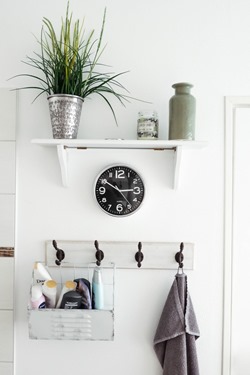
lsps blog 110 - tips for a greener bathroom at homeFrom toothpaste tubes and wet wipes to shampoo bottles – lots of our household waste originates from the bathroom. However, with less than 10% of plastic products ever being recycled, it’s important to brush up on exactly what can and cannot be recycled from our homes and the bathroom is no exception.

1 – Bulk buy

One key way to reduce your plastic waste in the bathroom is to bulk by products. Rather than buying a new bottle of shampoo once a month you should buy a larger bottle that will last you longer. Some brands even use recycled plastic for their packaging so be sure to study the packaging closely.

2 – Try alternative dental products

Dental products like toothbrushes and tooth paste tubes are perhaps the biggest offender when it comes to plastic waste. The complex makeup of these products and varying materials make it hard to recycle so a large proportion end up in landfill each year. To try and combat this trend there are many new products appearing on the market that use simple materials that are easy to recycle. Look out for Bamboo and other wooden toothbrushes which are compostable and biodegradable.

3 – Switch to solids

While you may want to make your bathroom greener – this doesn’t mean you have to compromise on your beauty regime. There are ways of making slight adjustments to your daily habits that can have a profound impact. Take shampoo for instance. Shampoo bottles are often made from single-use plastics that are hard to recycle. A much eco-friendlier option is to use sulphate-free bars of soap. You can even buy soap bars made specifically for washing and nourishing your hair.

4 – Dual bins

While having two bins in our kitchens has become a common practice in the UK – helping to raise household recycling rates, many of us are yet to adopt this same system in our bathrooms. This means that in the rush of daily life we often lump all our waste in together and end up with no time to separate out the recyclables and non-recyclables. Having two bins takes away this headache.

Here at LSPS, recycling is of great importance to us and we help businesses and individuals all across Leicestershire to reduce the amount of their waste that ends up at landfill sites. Our Waste Transfer Station is open to traders and has an extensive range of state-of-the-art equipment.

To find out how about we can help with your waste disposal needs please contact us on 0800 083 7807 or visit our website for further information.

Reverse vending machines helping UK shoppers to earn from recycling

LSPS Blog 80Customers at Iceland supermarkets have earned an equivalent of more than £30,000 by recycling their used plastic bottles in the first trial of reverse vending machines in a major national supermarket.

The scheme, pioneered by the Iceland supermarket chain, aims to reward shoppers with vouchers worth 10p for every deposit of a plastic bottle bought at their shop in an effort to reduce plastic waste. Encouraging figures show that a total of 311,500 plastic bottles were recycled to date across stores in Deeside, Wolverhampton, Mold, Fulham and Musselburgh.

The trial by the frozen food retailer was the first of such schemes but has now been followed by similar efforts in Co-Op stores, Morrisons supermarkets and several national music festivals this summer.

Commenting on the scheme, Richard Walker, Managing Director at Iceland, said: “We’ve gained hugely valuable insights into both consumer interest and the functionality of the schemes, and it’s clear from the results that consumers want to tackle the problem of plastic head on, and would be in support of a nationwide scheme.

“We’ll be using these findings to inform future Iceland initiatives, and will be sharing our findings with DEFRA and across the industry to ensure any nationwide roll-outs are comprehensive and effective in our goal of tackling the issue of single-use plastics.”

Iceland has a strong commitment to positive change for the environment and was also the first UK supermarket to remove palm oil from all of its own label ranges. Palm oil has been linked heavily to the destruction of habitats of endangered species such as orangutans.

It is currently estimated that more than 12 million tonnes of plastic enters the world’s oceans each year, which has a disastrous impact on marine life and also enters the food chain through seafood.

Here at LSPS, recycling is of great importance to us and we help businesses and individuals all across Leicestershire to reduce the amount of their waste that ends up at landfill sites. Our Waste Transfer Station is open to traders and has an extensive range of state-of-the-art equipment.

To find out how about we can help with your waste disposal needs please contact us on 0800 083 7807 or visit our website for further information.

How are the new bottle deposit schemes going to work?

how are the new bottle deposit schemes going to workEnvironment Secretary Michael Gove recently announced that the government will commit to introducing further efforts to cut plastic waste in the UK, including a bottle and can deposit scheme, in efforts to boost recycling figures and cut down on the impact of plastic waste on the environment.

Consultation will take place later this year to look at rolling it out, but how will the scheme actually work? Luckily there are lots of other examples around the world that can give us a clue or two.

The basic premise of a bottle and can deposit scheme is that a levy is added to the cost of any single-use glass or plastic bottle or steel and aluminium can. This extra cost can then be refunded when the bottle or can is returned. This helps to boost recycling and ultimately cut down on waste that goes to landfill or is littered into the environment.

Some factors that are still to be decided are the cost and the price of such a scheme. Across the world there are currently 40 counties that utilize a deposit return scheme as well as 21 US states. The price of the extra cost addition to the drink ranges between 8p and 22p with Germany at the top-end and Sweden the cheapest.

In terms of returning the bottles and cans, most schemes either see collections made at supermarkets and shops where they are purchased, or at automated collection points, typically in easy to access public areas such as supermarket car parks.

Obviously, not everyone will make the effort to return their bottles and cans for a deposit and what happens to the money when this happens varies from country to country. In some cases the money is donated to charities, while in other schemes the money goes back to the producer, retailer or is put towards the costs of running the scheme.

Currently in the UK only 7.5 billion plastic bottles are recycled every year out of the 13 billion sold. Another 15,000,000 are dropped as litter, landfilled or incinerated every day, a process which creates almost 250,000 tonnes of CO2 in the atmosphere. The move towards a recycling scheme has also been welcomed by environmental activists concerned about the effect that plastic waste has on marine life, with recent figures showing that plastic pollution could treble in our seas within the decade unless efforts are taken to keep it in check.

Here at LSPS, recycling is of great importance to us and we help businesses and individuals all across Leicestershire to reduce the amount of their waste that ends up at landfill sites. Our Waste Transfer Station is open to traders and has an extensive range of state of the art equipment.

To find out how about we can help with your waste disposal needs please contact us on 0800 083 7807 or visit our website for further information.

Co-op chain to embrace part-recycled bottles

co-op chain to embrace part-recycled bottlesUK supermarket chain The Co-Op is to become the first retailer in the UK to sell all its bottled water in recycled containers – a move it says could save almost 350 tonnes of plastic annually.

The new 50% recycled bottles offer a “cloudy” appearance, making them less aesthetically pleasing than the current bottles that the retailer uses. However, the society has said that they are putting their faith in the ethics of their customers who they say would like to see more sustainable packaging options available.

The new bottles, which are processed by Cleantech in Hemswell, Lincolnshire, are made up of 50% recycled plastic, however are 100% recyclable according to the supermarket chain and could amount to a saving of almost 350 tonnes of plastic year on year. The bottles, which contain either still, sparkling or flavoured water, will contain to contain water sourced from Montgomery Spring, North Wales and Princes Foods’ Eden Valley in Cumbria.

Commenting on the move, Co-op Environmental Manager Iain Ferguson said: “Working with stakeholders across both supply and waste value chains is key to increasing the recyclability of our products and sourcing scalable, sustainable alternatives as we strive towards a more circular economy”.

This latest environmentally friendly move from the retailer follows other recent initiatives including a fully biodegradable paper tea bag that contains no plastics for its 99-tea brand. Many teabags in the UK are currently sealed using plastic which means they often are sent to landfill instead of being recycled.

Here at LSPS, recycling is of great importance to us and we help businesses and individuals all across Leicestershire to reduce the amount of their waste that ends up at landfill sites. Our Waste Transfer Station is open to traders and has an extensive range of state of the art equipment.

To find out how about we can help with your waste disposal needs please contact us on 0800 083 7807 or visit our website for further information.

Coca-Cola to increase levels of recycled plastic in bottles

coca-cola-1449843_1280Coca-Cola has announced plans to greatly increase the amount of recycled plastic that they use in their bottles after pressure from environmental groups such as Greenpeace.

The company, which sells an estimated 1 million plastic bottles every minute across the world, has pledged to increase the amount of recycled plastic in their bottles to 40% by the year 2020.

The environmental charity Greenpeace had previously accused the world’s biggest drinks company of “refusing to take responsibility” for the environmental impact of creating and selling so many plastic bottles which were unable to be recycled. After studying Coca-Cola’s output of single-use plastic bottles their senior campaigner Louise Edge went on to say that “Our oceans simply can’t stomach any more of Coca-Cola’s plastic”.

According to the charity, in the UK alone 16 million plastic bottles end up in our environment every single day and Coca-Cola should be taking steps to reduce single-use plastic usage which at present account for almost 60% of its packaging globally.

Environmental campaigners are also encouraging drinks manufacturers to consider a deposit return scheme. This would involve a drink purchaser paying a small additional fee for their bottle, once the container is returned they will be refunded their deposit and the bottle will go on to be reused or recycled. Until recently Coca-Cola had resisted any notion of a deposit scheme claiming to be sceptical about its effectiveness, however it has now pledged support for testing a scheme in Scotland.

Here at LSPS we take recycling very seriously. To find out how about we can help with your waste disposal needs please contact us on 0800 083 7807, or visit our website for further information.

Latest Articles

Follow us on Twitter

Like us on Facebook