The Autumn months are the perfect time to get your garden in order. No matter what size garden you have, the amount of rubbish that can build up can be surprising. You can quickly end up having more waste than your wheelie bin can handle and this is when you should consider hiring a skip. Doing so now and tidying up your garden means that your garden will be sorted for the Winter months and ready for Spring. Here are some gardening maintenance tips for Autumn.
Keep on top of Autumn leaves
Although not all trees shed their leaves, the majority do and you can quickly find your garden overwhelmed by them. Although keeping some of them to one side can help create important habitats for wildlife to shelter in during the cold winter months, the rest can be bagged when they are dry and thrown away into a garden waste skip. The same applies to branches. Although you can keep some around your garden for wildlife, you may have too many and need them to be removed.
Next, you should look at your flower beds. If you have flowers that have died and will not return next year, have these removed to keep your flower beds neat and provide you room to plant some more bulbs for next Spring. As there are usually restrictions on the amount of soil you can place in domestic wheelie bins, hiring a skip can be a great option.
Trim hedges
As you get into Autumn, it is time to think about trimming hedges to keep growth under control. Depending on the size of your garden, this can be a mammoth task. Before you start, you must know where you are going to place your waste. Also, you must check for birds' nests before you start. It is illegal to disturb nests until the chicks have grown up and flown away from the nest.
Landscaping
Autumn is also the perfect time to get landscaping jobs done ready for you to enjoy next year. Before the weather takes a turn for the worst, you can try and sort out the patio, raised beds, or any other projects you have been putting off doing. Having a skip at hand is perfect to help you get these jobs completed quickly and efficiently, leaving you with no mess to clear up.
Tidy out the shed
Now the Summer is over, a lot of the garden furniture will have to be covered and stored away. This is often in the shed or the garage. Before you store everything away, take the time to tidy out your shed and garages. They gather unwanted items and rubbish quickly, sometimes taking up valuable space that you now need. With gardening jobs minimal for the next few months, you will be grateful in Spring that you have taken the time to sort everything out now. Anything you no longer need, find an alternative home. If that fails, your skip will be at hand to help you dispose of the waste.
Fix your fencing
If you notice there are weak areas of your fence, it is always a good idea to get them fixed before the colder, windier weather arrives. Fences can often end up damaged or even blown away, making the job even bigger and also leaving your property insecure. By dealing with it now, you can ensure you have sturdy fencing before Winter arrives.
The jobs discussed above show how hiring a skip for your garden needs can be a worthy seasonal investment. Whilst the weather is still mild enough to spend outside, it’s the perfect time to organise your garden and finish any jobs you were intending to do during the Summer. Before hiring your skip, ensure you check for any restrictions. If you know what you are intending to throw away, check with the skip hire company that they accept all of those materials.
Garden Maintenance Tips for Autumn


Guide to Recycling Plastics
We are all aware of the damage plastics can have on the environment and that we should be recycling wherever possible. However, with so many different rules regarding the best way to recycle and reuse and also so many different types of plastic, the whole thing can be extremely confusing and overwhelming. Here is our definitive guide to recycling plastics .
What are plastics?
To start off with, we want to understand exactly what is meant by the term plastic, as it covers a myriad of things. The properties of plastic mean that they can be moulded into practically anything, from forks to straws to cars. Although all of these are classed under the umbrella term of plastic, there are in fact many different types. Here we describe some of the different types.
• Epoxy resin filler is a type of plastic that becomes hard after only a few minutes and can be placed into wood that has rotted away
• D30 is a soft plastic that hardens once it has been suddenly hit. This type of plastic is often used for sports equipment as it can provide added protection
• Fibreglass is a combination of plastic and glass and is often used for constructing methods of transport such as boats or cars
Plastics are formed from polymers which are compounds made from combining monomers. Depending on the different monomers chosen, different plastics are created which all have their own specific properties. Plastics also act differently when they are heated. Thermoplastics (such as water bottles and plastic toys) soften and bend when heated, whereas others, known as thermosets, will never soften (for example, epoxy resin and polyurethane).
In order to properly recycle plastic, a person must have an understanding of what type of plastic it is. Plastics need to be placed with others of their kind before they are recycled.
You may not even realise that some items contain plastic. For example, the material tights are made from, Nylon, is in fact a plastic, but isn't what usually springs to mind when you imagine plastic.
Why is plastic problematic
Although some plastics can be recycled, overall plastic is a huge problem because they are as a whole synthetic. Since they do not naturally form in nature, animals and other forms of life have not yet adapted to them being in their environment. The disposable nature of many plastics means that they often end up in our landscapes and oceans, causing significant damage to our wildlife.
Some plastic can also be extremely toxic when they are heated. Certain chemicals can be exuded from the plastic which can end up in the air or going into the ground, which can bring significant health issues.
Why is recycling plastic important?
As it can take up to 1,000 years for plastic to degrade, landfills cannot cope with plastics. Therefore, it is imperative that plastic is recycled whenever possible. By recycling plastics we are conserving energy as new plastic is not being created from scratch, we are avoiding plastic ending up in our natural environments, we are limiting pollution and also reducing greenhouse gases.
These are merely a few of the benefits to recycling plastics so it is a no brainer that everyone should be doing their part. However, unfortunately, it is not always simple. We regularly check items to see if they are recyclable but the symbols can often be confusing. This can lead people to assume the product is not recyclable when in fact it is. Alternatively, it can lead people to automatically assume it is recyclable when it isn't, which can then contaminate the rest of the recycling.
How we can recycle at home
Reuse plastic containers
Before throwing anything away, see if you can use it again. Plastic containers make great storage and saves you buying some new containers.
Save plastic bottles to use in the garden
They can make great watering cans
Squash plastic bottles down
Before placing plastic bottles in the bin, squash them down. Not only does this mean you can fit more in your recycling bin, but it also makes it easier to sort at the recycling plant if the plastics are lying flat.
Remove any food
Rinse out items before placing them in the recycling bin.
Have recycling bins around the house
Do not limit yourself to only having a recycling bin in the kitchen. A lot of waste from bathrooms and home offices can also be recycled. However, many people simply place all the items in the nearest bin and may not think about recycling.
Whilst a plastic-free world is not attainable at the moment as plastics have many positive uses, it is important for us to understand that not all plastics are the same. They need to be treated differently and if we can all do our part at home and at work, we can slowly make recycling second nature.
14 Things you probably didn’t know you could recycle
Over recent years, as a society, we have become more aware of sustainability and as a result, our recycling rates have increased. People know the usual items that can be recycled such as plastic, paper, plastic bottles etc however, there is a range of surprising things you probably didn’t know you could recycle. Here, we discuss some of these lesser-known recycled products.
Inhalers
Thousands, if not hundreds of thousands of inhalers are casually thrown away once they are finished with. Many pharmacies will in fact accept these and get them recycled. Check with your local pharmacy first to see if they will take them from you.
Bottle Corks
Recycled corks can be used for a range of items including flooring, sports equipment or insulation among others.
Crayons
Crayons can easily be recycled and reused in the comfort of your own home. When you have small pieces of crayon left, melt them down into moulds to reincarnate them into brand new crayons. You can mix the colours up for a fun, multi-coloured crayon that the kids will love using.
Tights
This is one you may not realise but tights can be recycled and repurposed into a range of other products.
VHS Tapes
If you have any of these relics lying around your home (probably hidden in a corner of the attic) you can actually recycle them. They can be dismantled and the pieces reused.
Batteries
Until recently batteries were an item that could not be recycled. However, ways have now be discovered to responsible recycle batteries due to the severe adverse impact they can have on the environment. There are many places that now accept batteries and will take them to be recycled such as supermarkets.
Glasses
If you need a new prescription you may not know what to do with your old pair of glasses. If you return them to your opticians, many have a program in place where they send them to developing countries that are in dire need of them. This can also apply to sunglasses.
Carpet
When it comes to replacing an old carpet in your home, don’t automatically throw it away. There are some companies that accept carpet and take it away for recycling to reduce the amount that ends up in the landfill.
CDs and DVDs
Don’t throw your CDs and DVDs away once you have no need for them or if they are damaged. They can be recycled and repurposed into a myriad of other items.
Mobile phones
Old mobile phones can quickly start to build up at the back of drawers when you get an upgrade. Many people keep their old mobiles because they don’t know what else they can do with them. However, they can be recycled. Check your local recycling centre to see if they accept them.
Toothbrushes
Toothbrushes are one of the most common household items but consider recycling them rather than merely throwing them away. The plastic handle and the bristles can both be reused in a variety of ways
Fluorescent Light Bulbs
It may be surprising that fluorescent light bulbs can be recycled but it's true. Some stores such as IKEA actively collect these bulbs for recycling so bear that in mind when you replace your bulbs in the future.
Sports Shoes
Sports shoes are made of a range of materials from plastic, cotton, nylon, metal and more. All sports shoes can be recycled so once you have no more need for them
Christmas Lights
Christmas Lights often end up in landfill once they start to lose their sparkle and no longer work. Rather than chucking them away in the rubbish, check your local recycling centre or online as some companies will accept your non-working lights and have them processed so that as much of the lights as possible can be recycled.
Although these items are recyclable, they may not be able to just be placed in your regular household bins. Once you realise what can be recycled, check what the best way to recycle the item is as they vary from product to product.
Recycling is an important part that we can all play to help protect the environment. So, next time you have a clear out of your house or taking the rubbish out to the bin, ensure you take a moment to ensure you are not missing out a chance to recycle and reduce your household waste.
To find out more about how we can help you with your waste disposal and recycling needs, please contact us on 0800 083 7807 or visit our website for further information.
Top Tips For A House Spring Clean
Once Spring has sprung, it is the perfect time to attempt a big spring clean of your home. It can, however, be a daunting task to undertake. It is surprising how much clutter can accumulate over time. With many of the items being things we don’t’ realistically need or use in the home. Not sure where to start? Here, we share some top tips to help make spring cleaning a breeze.
Plan Your Time
Start by deciding when you are going to tackle the spring clean. If you don’t set aside a specific time, it will be a task that is constantly pushed back. If there are a lot of items to get rid of, start by hiring a skip, either for one day or longer. Once you have the skip booked, it will mean you must do the spring clean then and will give you focus. In addition to this, you should allocate a certain amount of time for each room. Don’t be too specific, you only need a rough guideline. Also, overestimate the time slightly as it can take a lot longer than you first anticipate, especially if you want to do a thorough job.
By planning your time effectively, you can make the massive task of a house clearance into a relatively stress-free and perhaps even enjoyable task. Although make sure you give yourself enough breaks.
Separate Your Stuff
Whilst you are making your way through the house, make yourself two main piles. Throw and Keep. By only have two piles, it makes the process simpler. If you have become a hoarder over the years, try to think about the last time you have used the item (and be honest with yourself!) If it has been more than a couple of years, then you more than likely do not need it.
Donate and Sell
Now you need to go through the throw pile and organise it. Decide how you are going to get rid of it. If you have items such as clothing that are still in good condition or have entertainment items such as books and games, then consider donating these to a local charity. Just ensure that what you are donating is in good enough condition to be of use to someone.
If you think someone else would definitely want some of your things, you could always try and sell it. There are many places online to sell you stuff with ease and it's a great way to earn money from items you weren’t even using. Finally, the majority of what is left over can be placed in a skip, which is also a great way of getting rid of bulkier items that you would struggle to fit in your car and take to the tip. Always check the list of items you are NOT allowed to place in a skip first. Once your skip has been taken away, your waste will be sorted to ensure what can be recycled, is.
Make the most of your skip
The joy of hiring a skip is that you have the peace of mind that you can place a mixture of items into the skip, and know that the waste will consequently be sorted and recycled where possible, which takes the guess work out for you.
A major drawback of undertaking a massive house-clean is having the space to place the items you no longer need. Keeping a skip on your driveway or outside your home on the street, gives you a convenient location to place your rubbish, allowing you to carry out the task in a much smoother and efficient manner. Seeing the rubbish build up can be an extremely rewarding feeling and help you feel like you are making good progress.
Team Up
If you are clearing out your home, your neighbours may be considering the same thing. It is worth asking them as you can then split the cost of the skip hire and get a larger size to accommodate everything you want to get rid of. Always hire a skip that is slightly bigger than what you think you need, just in case you end up with more rubbish that you first anticipated. You can then work together to move some of the bulkier items.
Make it a regular thing
Once you have sorted out your house, try not to let it get into the state it was before you started the Spring clean. By keeping the cleans regular, you can ensure you stay on top of it, and make the task easier each time.
To find out more about how we can help you with your waste disposal needs, please contact us on 0800 083 7807 or visit our website for further information.
The Dos and Don’ts of Recycling
Recycling is a practice that we all know is beneficial to the environment. However, managing your household waste according to local recycling rules can be daunting and confusing.
Here we discuss some do’s and don’ts of recycling your household waste.
Dos
• DO always what materials are accepted with your local council. Whilst some recycling plants can handle certain materials, others will not have the facilities, so it is vital that you check.
• DO separate items- again check with your local council for requirements. Whilst some people only have one recycling bin, others may need to separate their recycling waste into plastics, glass and metals.
• DO remove grease before recycling- It is common for people to place pizza boxes in the recycling bin or believing they cannot be recycled due to the grease and place them in the general waste bin. The truth is that you can tear off the pieces of cardboard that are covered in grease and place in the general waste bin and place the clean cardboard in the recycling bin.
• DO recycle your junk mail. The majority of the mail you receive is suitable for the recycling bin. Place all your unnecessary paperwork in the recycling bin unless it contains confidential information, which should be shredded where possible. Check with your local council before placing shredded paper in the recycling bin as some areas do not accept it.
• DO try and reuse items as much as possible. Just because an item is recyclable can be recycled doesn’t mean you should not reuse it as much as you can beforehand.
• DO flatten cardboard down as much as possible. The flatter you can get it, the more you can fit in the bin and therefore the smaller number of waste pickups are necessary, lowering costs and emissions.
• DO rinse all containers- Ensure containers are cleaned thoroughly before placing in the recycling to remove any traces of food.
Don’ts
• DON’T assume an item is recyclable. Even though you are trying to maximise your recycling, adding unrecyclable material to the recycling bin can be more harmful. An entire batch of recycling can be written off due to a very small number of unrecyclable items being found. Before recycling anything you are unsure of, always check the label first.
• DON’T recycle plastic bags- Try to reuse plastic bags as many times as possible. When they can no longer be used, take them to a facility that specifically recycles plastic bags. Many supermarkets have areas to dispose of them. Do not just place them in your recycling bin.
• DON’T recycle food- Food is not recyclable but some of it can be compostable. Consider purchasing a compost bin to place organic food waste to reduce the amount of waste that goes to landfill whilst benefitting your garden at the same time.
• DON’T recycle plastic containers that contained toxic material such as bleach. Be careful when placing plastic bottles in the recycling bin. Although they are plastic, if they have contained a potentially harmful substance, they will not be accepted at the recycling plant. For example, anti-freeze pesticide containers, spray paints and even some household cleaners
• DON’T place garden waste in a recycle bin. Order a separate garden waste bin if you have garden waste on a regular basis.
• DON’T recycle wrapping paper unless it states it’s recyclable- Many people do not realise that most wrapping paper and tissue paper is unrecyclable. Try and reuse wrapping paper as much as possible by storing it away for the future.
Unfortunately, recycling is becoming more complicated and it is important to understand what your recycling rules are in your local area. However, by following these dos and don’ts you can help ensure as much waste as possible is recycled. If you have a lot of waste in your house or garden, then consider hiring a skip to help. One of the major benefits of LSPS skip hire is that we will ensure your waste is separated into items that can be recycled and those that can’t to take the pressure off you.
To find out more about how we can help you with your waste disposal and recycling needs, please contact us on 0800 083 7807 or visit our website for further information.
Top recycling tips at home
Recycling is a major consideration for us and we are dedicated to recycling everything possible to reduce waste going to landfill sites. When we collect your skips, we will separate your rubbish in order to recycle as much of the waste as possible. However, there are many elements of recycling that you yourself can do at home as well to cut down on your normal household waste. Here are few of our top tips.
Tip #1 Donate to charity
A great way to reduce waste is to consider donating your clothes and other household items to charity. Just because you no longer want the item, doesn’t mean someone else will not benefit from it. As long as they are in good enough condition, you should take your clothes to your local charity shop. With donation bags distributed to homes, stores across the country and donation banks at a lot of supermarkets, there are many ways you can give your unwanted clothes to someone in need.
Tip #2 Repurpose items
This requires a bit of creativity but it’s great when you can discover another use for an item that you would otherwise have just thrown away. For example, you can use old woks, pots and painted cans and create plant pots for outside, or you can use the material from old clothes to create a blanket. The possibilities are endless.
Tip #3: Don’t waste leftovers
When it comes to food, try and reduce the amount you throw away. A lot of leftovers can make lovely meals. If you have slightly older vegetables that need using, make a soup rather than automatically throwing them away. Composting is another great option for food waste. It reduces your household waste and helps you keep your garden healthy.
Waste is a problem that is continuing to increase, so by doing small things to try and reduce this waste wherever possible we can collectively make a huge impact.
Tip #4: Make some money
Even if you no longer want some items, they could be seen as valuable to other people who will be willing to pay for it. All it takes is for you to give up some time to list the items online to sell and you will be surprised how much money you can make. If you have old electrical items that no longer work as well, you can take them to specialised shops that may buy them off you and restore them to resell.
Tip #5: Get the whole family involved
The best way to ensure you continue recycling wherever possible is getting the whole family involved so recycling and reducing waste becomes part of your daily life. If you have young children, then set them recycling challenges and reward them when they have done a good job. Label your bins so they know what can go in which one and talk about the benefits of recycling, so they know they have to continue as they grow older.
These tips are easy to do but can still create a great impact and reduce the levels of waste in your home. All it takes is a bit of creativity, time and effort. To find out more about how we can help you with your disposal needs, please contact us on 0800 083 7807 or visit our website for further information.
Recycling symbols for packaging explained
One of the biggest barriers to improving recycling rates in the UK is an understanding of the often-complex systems, schemes and signage involved. Most people are keen to make a difference by recycling their household and daily waste – but the actual methods of doing so can be confusing and misleading.
Here are some of the most commonly used symbols on products you’ll see in shops and in the supermarkets to help point you in the right direction.
Widely recycled

This green symbol with a clockwise arrow means that the item you are looking at is easily and widely recycled. This means you can be confident that your purchase will go on to be reused after it’s served its purpose for you.
There are several variations of this symbol – some may have extra instructions and caveats attached such as ‘rinse’, ‘rinse/lid on’ or ‘flatten’. Be careful to follow these instructions as often forgetting to remove a cap or wash out a jar for instance can lead to the item being rejected from the recycling process.
Check locally

This symbol featuring the same clockwise arrow but with a black background means that between 25-75% of local authorities will collect and recycle this form of packaging but that there may be a chance they don’t – so you should check on your local authority website for clarification before putting it in your recycling bin.
Not Yet Recycled

The Not Yet Recycled symbol is a sign that (as the name suggests) this particular item can not yet be recycled. This might include a form of packaging like crisp packets. However, just because the item is not recyclable doesn’t mean that you can’t reuse it yourself. So, try and think of a creative or useful way that you can avoid sending the item to landfill.
Other variations
Other variations of the symbol include ‘Widely Recycled at Recycling Centres’ informing you to take the item to your local recycling centre, ‘Recycle With Bags At Larger Stores’ which means some supermarkets will take in the item (wrapping from toilet rolls, magazine wraps, etc) and often some items won’t yet feature any recycle information. In those circumstances you should seek clarification either with the product manufacturer or your local authority for details on what to do.
Here at LSPS, recycling is of great importance to us and we help businesses and individuals all across Leicestershire to reduce the amount of their waste that ends up at landfill sites. Our Waste Transfer Station is open to traders and has an extensive range of state-of-the-art equipment.
To find out how about we can help with your waste disposal needs please contact us on 0800 083 7807 or visit our website for further information.
How to avoid adding more waste to landfill sites
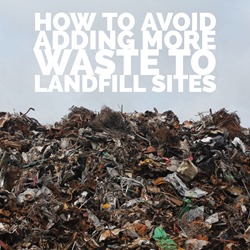
Here are a few easy steps you can take to cut down on the amount of waste that you end up sending to landfill.
Change your eating habits
In the supermarket age of convenience, it’s easy to over buy and under eat. Quite often we will take advantage of buy one get one free offers and other deals that leave us with shopping baskets and trolleys stacked high. However, a huge proportion of the food that we buy isn’t needed, and one of the biggest contributors to landfill is in fact food waste.
To combat this, you should plan out your weekly food shop based on the meals that you will actually eat and therefore avoid having to throw out items that go out of date. You should also try and adopt a diet with plenty of fruit and veg and avoid takeaways which is not only good for your health but can also help you cut down on packaging waste should you buy loose vegetables.
Change your shopping habits
Another purchasing change that has created havoc on our environment and fuels our landfill growth is the idea of ‘throw away fashion’. Today many budget retailers offer a broad range of clothing and footwear for far cheaper than was ever possible in the past. Because of this, many people will opt for short-term products that are of low quality, but also low cost so they can simply replace them when they wear out or break. However, when they do this, more often than not the old items are discarded and end up in landfill.
To tackle this problem, you should try and take a more long-term approach with purchases, perhaps saving up for good quality and hard-wearing products that might cost a little more but will last you far longer than cheap ones.
Avoid single use products
Single use plastics are a blight on the environment and are one of the hardest types of products to recycle. Not only should you adopt a reusable water bottle rather than buying throwaway ones, but you should also do an audit of what other single use plastics you have lying about the home such as cleaning products like bleach and surface cleaner. Of course, you want a lovely clean home, but by using natural products like vinegar which often comes in a recyclable glass bottle, or lemons which will naturally decay, you can clean your home effectively and without the need for hazardous chemicals.
Hire a skip!
If you’re having a big clear out or moving to a new house, then hiring a skip is the number one environmentally friendly way to dispose of your waste. Here at LSPS all of our skips are taken to our waste transfer site where materials are separated, and every effort is made to recycle, recycle, recycle, thus lessening the impact on the environment and helping to avoid the damage caused by landfill.
You can book yours using our online form in just a few clicks here, or alternatively you can contact us on freephone 0800 083 7807.
How to teach your child about recycling

In the same way that we teach our children about practicing good hygiene, looking both ways when they cross the road and how to look after their money, we also need to teach them the importance of looking after the world we inhabit, and recycling is a key part of that process.
The Three R’s
One of the best methods of teaching your children how to recycle is the ‘Three R’s’ which stand for reduce, reuse and recycle. Reduce is the idea of trying to use, buy and consume less. Reuse is the idea of putting the waste that we do use to a new use and recycle is to properly throw away items that can be recycled so that they avoid going to landfill.
A simple way to teach your children the three R’s is to write them on the fridge and to quiz them occasionally on what they are to see if they still remember. However, to really get the three R’s to stick with your children, you need to teach them why they are important and ultimately a positive thing instead of a chore. Watching nature programmes and highlighting stories about habitat destruction, global warming and other forms of disruption to the environment can help them to understand why they need to do their bit.
That might sound a miserable way to spend your time, but lots of fun can be had with the three R’s too. For example, you can play games in the supermarket where the person who finds a product with the most recyclable form of packaging, or the largest bulk product (to cut down on repeat waste) wins a small prize.
It can also teach valuable life skills too. Instead of throwing away a toy, game or piece of clothing when it breaks you can show them how to repair them instead. Even if you don’t know yourself how to fix something, there are often great instructional articles and videos ‘littered’ around the internet that can show you how.
Another fun activity to enjoy with your children that falls under the reuse category is to enjoy some creative time with your children. Often products like paper, napkins, plates, cups and other household waste items can be repurposed into fun crafts that bring out your child’s artistic side.
Teaching your children about the finite resources of our planet and how we need to help protect it can help your children to not only lead responsible lives but also equip them with valuable skills for the future.
Here at LSPS, recycling is of great importance to us and we help businesses and individuals all across Leicestershire to reduce the amount of their waste that ends up at landfill sites. Our Waste Transfer Station is open to traders and has an extensive range of state of the art equipment.
To find out how about we can help with your waste disposal needs please contact us on 0800 083 7807 or visit our website for further information.
UK urged to do more to improve household recycling figures

In the ‘UK Statistics on Waste’ report by DEFRA, figures show that while the amount of waste sent for recycling from UK homes crept above 45% for the first time in 2016, progress has been too slow to have a realistic chance of meeting binding EU targets set for 2020.
Recycling rates among UK households differed between nations, with Wales the best performing country with a rate of 57% and Scotland, the worst with 42.8%. The recycling rate overall increased only marginally from 44.6% in 2015, to 45.2% in 2016.
These fractional improvements have been condemned by environmental groups such as the Environmental Services Association (ESA) who commented that UK recycling rates “remain in the doldrums” and that it was unlikely that we would reach targets set by the EU of 50% home recycling by 2020. He went on to encourage DEFRA to turn their resources and waste strategy towards the issue of sustainable markets for recyclable materials, and the residual waste capacity gap.
This year the UK government, launched a comprehensive 25-year plan aimed at protecting the environment and cracking down on so-called “avoidable” plastic waste - a move welcomed by green groups who pointed out that over half a million tonnes of plastic was collected from UK homes in 2017. However, some groups such as Greenpeace voiced scepticism as to whether the government would follow through with their plans and criticized them for not tackling other environmental issues.
Here at LSPS, recycling is of great importance to us and we help businesses and individuals all across Leicestershire to reduce the amount of their waste that ends up at landfill sites. Our Waste Transfer Station is open to traders and has an extensive range of state of the art equipment.
To find out how about we can help with your waste disposal needs please contact us on 0800 083 7807, or visit our website for further information.