FREEPHONE 0800 083 7807

LSPS Ltd
61-70 Harrison Close ,
South Wigston ,
Leicester , LE18 4ZL
Email:

Recycling waste electrical and electronic equipment (WEEE)

We’re all getting used to recycling waste items such as paper, bottles and tin cans in the correct recycling bins, however there are some items that need special attention, such as the recycling of electrical items such as:

  • Laptops, computers
  • MP3 players, sound equipment
  • Light bulbs, batteries
  • Mobile phones, tablets
  • Wiring
  • TVs, DVD players

Unfortunately you can’t simply stick these items in your standard recycling bins, so here we look at where they should go.

Facts about WEEE?

clip_image002[9]Anything that needs plugs or batteries in order to work is classes as waste electrical and electronic equipment, which is becoming one of the fastest growing waste streams in Europe. Around one million tonnes of WEEE is thrown away every year – over 75% of this ends up in landfill.

But electrical waste can be recycled, so it’s important to play our part and not simply throw old appliances out.

Recycling electrical and electronic waste

Regulations came into effect in 2007 with the intention to boost WEEE recycling rates, now retailers have to provide a way of returning end-of-life electricals and take responsibility for reusing or recycling them.

We also have a responsibility of recycling waste electricals, ways of doing this are:

  • Recycling old electricals: hire a skip, take to the tip or return the items to the retailer.
  • Giving unwanted electricals away – sometimes other people or charities may find a use for your unwanted electricals, this keeps them away from landfill.
  • Investing in electricals with longer warranties, this means that they are less likely to break and the retailer has a responsibility to dispose of them.

Recycling WEEE

If you only have one item that’s not too bulky then you can simply take it to your local household waste recycling centre.

However, if there is a lot of electrical waste then you can hire a skip, with larger quantities this can be by far the easiest option. A good skip hire company will recycle WEEE for you, along with other recyclable waste, and relieve you of the hassle of transporting everything yourself.

Related articles:

Getting a head start on the summer – garden clearance

imageIt’s that time of the year again when you look out your back window and realise that the garden has seen better days – overgrown shrubs, out of control trees and garden beds in need of some serious attention. If this is sounding familiar it’s time to put some spring in your garden’s steps with some garden clearance!

Firstly, get organised and hire a skip – that way you don’t have to worry about making several trips in the car to the dump. It’s easier to have a skip dropped off, you can fill it and then all your waste will be picked up and removed once you’ve finished. Look at our Guide to hiring a skip.

Trees

Deal with the overgrown branches and long grass surrounding the base of the trees. There may also be significant leaf debris depending on what tree it is, so use a rake. Trim the branches that are looking unhealthy or dead in order to encourage new growth.

Hedges

After being left all winter the hedges will require a healthy trim. Always start at the bottom and work your way up when pruning a hedge, and make sure the top of the hedge is even. Rake up all the trimmings and add to your skip.

Garden beds

Check the soil in your garden beds to make sure it’s still in good condition to grow plants in. If not then look at re-soiling or fertiliser, removing any dead plants or debris beforehand. For plants that are still alive but a little unhealthy then plant them in a smaller pot and nurture them indoors until they come back to life.

Shed

Our trusted garden shed usually becomes the dumping ground for all sorts of items, so it’s best to take everything out and start from scratch, identifying all the broken items such as garden furniture or broken garden utensils, and putting them in the skip.

Once this spring clearing of your garden is done, you can sit back and enjoy the summer!

Get composting!

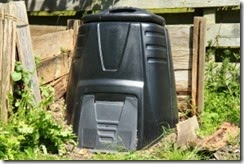
image Do you know that new research has discovered that almost half of your household waste rubbish and garden waste can be composted? But surely your waste will be broken down in landfill, right? Wrong – when waste goes to landfill it’s piled so high that air cannot reach the organic stuff, so as the waste breaks down it creates a harmful greenhouse gas which damages the Earth’s atmosphere: methane.

However, if this waste is composted above ground, say in a compost bin, then the oxygen can reach the waste to break it down, meaning that hardly any methane is produced. What’s more, in about nine months you get a bin full of free fertiliser for your plants and flowers!

Making your compost

Making the compost is easy, try to aim for a balance of 50% greens and 50% browns to get the right mix:

Greens are quick to rot and provide important moisture and nitrogen; examples of greens are:

Annual weeds, carrot tops, coffee grounds, cut flowers, grass mowings and hedge clippings, old bedding plants, vegetable peelings, tea bags, fruit peelings

Browns, whilst slower to rot, provide carbon and fibre to allow air pockets to develop:

Autumn leaves, Christmas trees, cotton towels, egg shells, straw, used kitchen paper, vacuum cleaner contents, wood ash, thorny prunings

Check out the full list of greens, browns and “don’t includes” click here.

Try keeping the contents of your compost bin regularly aerated by stirring the compost occasionally. Positioning the bin in a sunny position can also help to speed up the composting process.

Using your compost

clip_image001The compost process usually takes between nine and twelve months; once your compose turns into a crumbly, dark material then it should be ready to use.

Simply open the hatch at the bottom of the bin and scoop out the fresh compost using a spade or fork – don’t worry if there are twigs and eggshell still in it, just remove the larger pieces and put them back in your compost bin.

Apply a 5cm layer of compost over existing soil on your borders but leave gaps around any soft stemmed plants. Spread a thin layer of compost around the base of plants and in flower beds, and crumble compost around the vegetable patch.

Happy composting!

If you’re clearing out your garden for the warmer months then you’ll need a skip, read our Tips for garden clearance.

The metals recycling industry

clip_image002One of the areas we cover as waste management specialists is scrap metal recycling. Over 400 million tonnes of scrap metal is recycled worldwide every year in order to process ferrous and non-ferrous metal scrap into secondary raw material, which can then be used to produce new metals.

Virtually all metals can be recycled into high quality new metal. The recycling process is different for each metal, but it’s important as using these secondary raw materials means less use of the natural resources needed to make new metal compounds - metal recycling still produces metals of equivalent quality.

Metal manufacturing continues to be one of the UK’s largest manufacturing sectors, so recycling metal has a significant economic value and therefore rarely discarded or sent to landfill.

The UK is one of the five largest metal scrap exporting countries in the world with around 60% of our metals exported worldwide:

Packaging: approximately two billion aluminium and steel cans are recycled each year in the UK.

Vehicles: over 75% of a car is metal, around half of the material processed in metal recycling shredders comes from vehicles.

Waste Electrical and Electronic Equipment (WEEE): European Community directive that recycles most rejected household appliances.

Batteries: metals recycling industry already recycles most lead acid vehicle and industrial batteries.

Scrap metal recycling companies carry out a range of functions in order to recycle metals, including some of the following:

  • Collection, weighing, sorting and distribution
  • Shearing – reducing the size of larger pieces of metal by cutting
  • Bailing/compacting – for ease of transport and handling
  • Shredding – reducing to smaller pieces, separating any other material from the metals using magnets and air classification
  • Media separation – additional separation of any non-ferrous metals using liquid density and hand or mechanical sorting
  • International metals trading – transporting metals around the world

See more about our recycling services for ferrous and non-ferrous scrap metal.

For more information on hiring the right skip for your scrap metal needs, then visit our guide: Hiring a skip, here are the ground rules.

Source: BMRA

Removal of construction waste

clip_image001Construction waste is defined as leftover materials resulting from building, repair or demolition of buildings or other structures, and as the majority of construction waste is a by-product of commercial building jobs the local councils do not class it as domestic waste, and therefore will not accept large quantities at the local recycling facilities.

Whether the construction project is a small domestic job, or a larger scale commercial job, hiring a skip is the only practical solution for the removal of construction waste.

Skip sizes for construction waste

Whilst a range of skip sizes are available, the most popular size is the Builders Skip. This has an 8 cubic yard capacity and will accommodate up to 8 metric tonnes (8,000 kg) of construction waste, including bricks, rubble, mortar, hardcore, paving stones and soil.

Whilst larger skips are available (up to 40 cubic yards), these are generally not so suitable for heavy commercial waste removal because of the maximum weight restrictions applicable to the combined weight of the full skip and the lorry needed to transport it.

Separating waste materials prior to collection

Historically, the majority of construction waste has been taken to landfill sites. However now, as natural resources are becoming increasingly harder to source, regulatory changes have been introduced to encourage recycling and the re-use of building materials. So it is encouraged to collect different types of waste such as brick, wood, metal and soil separately before removal is arranged.

For more information on hiring the right skip for your needs, then visit our guide: Hiring a skip, here are the ground rules.

Recycling facts in the UK

clip_image001We try to do our bit for recycling, and it’s widely accepted in the UK as a good thing, but surveys show that 9 out of 10 people say that they would recycle more if it were made easier. Here are some recycling facts that could help to encourage us to recycle more:

1. A tonne of recycled paper can save 17 trees, 380 gallons of oil, three cubic yards of landfill space, 4,000KW of energy and 7,000 gallons of water.

2. Every person in the UK on average throws away their own body weight in rubbish every seven weeks.

3. On average, 16% of the money we spend on products pays for the packaging – which is ultimately thrown away.

4. The UK produces more than 434 million tonnes of waste each year. This rate of rubbish generation would fill the Albert Hall in London in less than two hours.

5. Glass takes up to 4,000 years to decompose in a landfill, yet can be recycled indefinitely.

6. Incinerating 10,000 tonnes of waste creates one job, 10,000 tonnes of waste that goes in landfill creates six jobs, but recycling the same amount of waste creates 36 jobs.

7. clip_image002As much as 50% of waste in an average dustbin could be composted.

8. £36,000,000 worth of aluminium cans are thrown away each year.

9. Each tonne of paper that’s recycled can power a three bedroom house for a whole year.

10. Gold can always be recycled because of its value; modern jewellery could contain gold that was mined back in prehistoric times.

11. With our wide range of charity shops in towns, Britain only recycled 2-4% of its clothing.

12. We bury 80% of our rubbish in landfill sites, Switzerland buries only 7%.


Related articles:

Helping Leicester District Council with fly tipping

clip_image002Fly tipping in Leicestershire is a common problem, however in April 2007, Leicester County Council were granted permission to seize vehicles used in fly tipping offences under the provisions given in the Cleaner Neighbourhood Act 2005.

“Fly-tipping costs Leicester City Council over £310,000 a year to investigate and clear up.”

Fly tipping is the illegal dumping of waste, from a single bag of rubbish to a lorry load, and can be found on footpaths, roadsides, lay-bys and private land.

Whilst it is the responsibility of the landowner to clear fly tipping from their own land, the District Council are responsible for clearing publicly owned land including roads and footpaths.

What you should do when you discover fly tipping

If you observe fly tipping in the area, here are the following dos and don’ts in order to report it:

Inspect the waste visually: be careful and stand up-wind to avoid any possible fumes. What does it consist of, what quantities are involved and where is the location of the load – in particular whether it is in or anywhere near water.

Do not touch the waste: fly tipping waste can sometimes be hazardous and may include toxic chemicals, such as asbestos, broken glass or clinical waste.

Do not disturb the site: there may be evidence that could lead to prosecution.

Contact the local authority or Environment Agency: they will arrange for a registered carrier of waste to remove the load and dispose of it safely. Photographic evidence can also help Leicester County Council in their ongoing investigation.

For further information on reporting a fly tipping issue, see How to report fly tipping on the Leicester County Council website. For more on fly tipping nationwide, read our article.

Thinking of hiring a skip? Read our additional tips and sizes to suit your job here.

Source and image: www.leicester.gov.uk

Latest Articles

Follow us on Twitter

Like us on Facebook